7 rules

Chase application rules
Chase has 7 application and bonus rules worth knowing before you apply: 5 are in Chase's own terms, and 2 are reported by applicants.
- In the issuer's terms
- The issuer states this, in a card's terms or an official statement.
- Reported by applicants
- The issuer has never stated this. It is a pattern many applicants have reported, consistent enough to plan around, but not a guarantee.
Will I be approved?
The 5/24 rule
Chase will usually decline you for a new card if you have opened 5 or more personal credit cards, with any bank, in the last 24 months.
Reported by applicants
How often can I apply?
Two cards in 30 days
Chase usually approves no more than 2 personal cards in any 30 days, and no more than 1 business card in 30 days.
Reported by applicants
Will I get the welcome bonus?
The 24-month bonus rule
On most Chase cards you can earn the welcome bonus only if you don't have that card now and haven't received its bonus in the last 24 months.
In the issuer's terms
Sapphire bonus, once per card
You can earn the welcome bonus on each Sapphire card once, as long as you have never earned that card's bonus before. Holding the other Sapphire card no longer stops you.
In the issuer's termsChanged January 22, 2026
Ink business cards, once per lifetime
The Ink Business Preferred bonus is once per lifetime, and the no-annual-fee Ink Business Cash and Ink Business Unlimited share one lifetime bonus between them.
In the issuer's terms
Which cards count as one family?
Southwest personal cards
You can't earn the bonus on a personal Southwest card if you have any personal Southwest card now, or received a personal Southwest card bonus in the last 24 months.
In the issuer's terms
IHG personal cards
You can't earn the bonus on a personal IHG card if you received a bonus on any personal IHG card in the last 24 months, and you can't hold two of the same IHG card.
In the issuer's terms
Other issuers' rules that affect Chase cards
American Express
Marriott Bonvoy cards across Amex and Chase
Marriott Bonvoy cards are issued by both American Express and Chase, and each card's terms can block its bonus if you recently opened, or recently earned a bonus on, a Marriott card from either bank.
In the issuer's terms
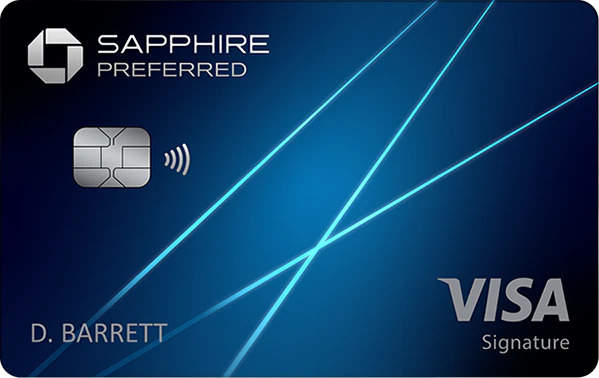
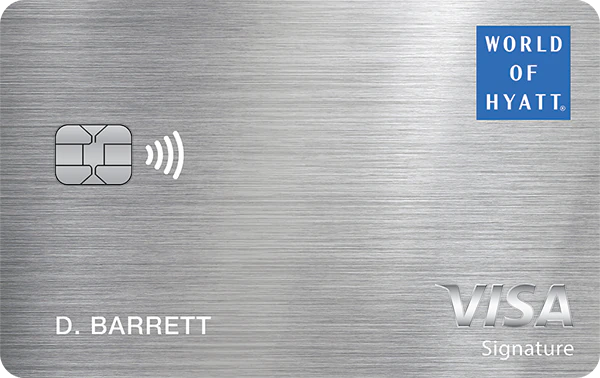
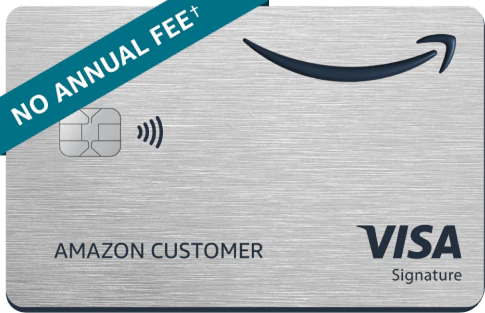
Chase cards these apply to




Questions about Chase's rules
What is Chase's 5/24 rule?
Chase will usually decline you for a new card if you have opened 5 or more personal credit cards, with any bank, in the last 24 months. Chase has never published this; it is reported by applicants.
What is Chase's Two cards in 30 days?
Chase usually approves no more than 2 personal cards in any 30 days, and no more than 1 business card in 30 days. Chase has never published this; it is reported by applicants.
What is Chase's 24-month bonus rule?
On most Chase cards you can earn the welcome bonus only if you don't have that card now and haven't received its bonus in the last 24 months. This is in Chase's own terms.
What is Chase's Sapphire bonus, once per card?
You can earn the welcome bonus on each Sapphire card once, as long as you have never earned that card's bonus before. Holding the other Sapphire card no longer stops you. This is in Chase's own terms.
What is Chase's Ink business cards, once per lifetime?
The Ink Business Preferred bonus is once per lifetime, and the no-annual-fee Ink Business Cash and Ink Business Unlimited share one lifetime bonus between them. This is in Chase's own terms.
What is Chase's Southwest personal cards?
You can't earn the bonus on a personal Southwest card if you have any personal Southwest card now, or received a personal Southwest card bonus in the last 24 months. This is in Chase's own terms.
What is Chase's IHG personal cards?
You can't earn the bonus on a personal IHG card if you received a bonus on any personal IHG card in the last 24 months, and you can't hold two of the same IHG card. This is in Chase's own terms.